Entertainment
Pamukele: “Nature’ssurreal sanctury”
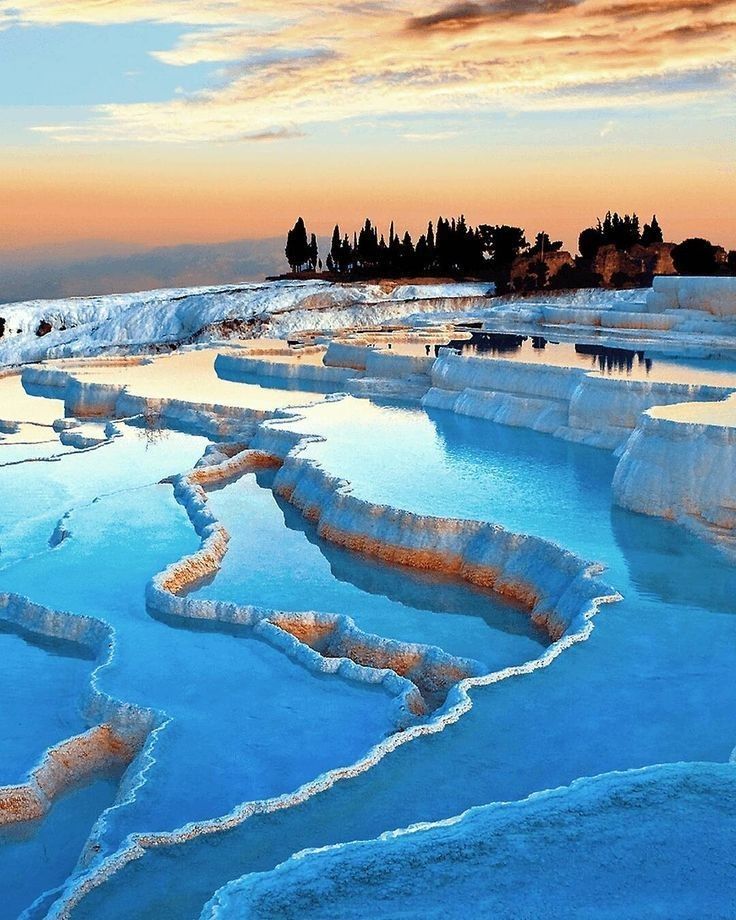
Pamukele: which literally translates to “Cotton Castle” in Turkish, is one of the world’s most spectacular natural wonders. Located in southwestern Turkey’s Denizli Province, this surreal landscape looks like a frozen winter wonderland of snow and ice, but it is actually a sun-kissed cliffside covered in brilliant white mineral deposits and warm, turquoise pools.
The Science Behind the “Castle”
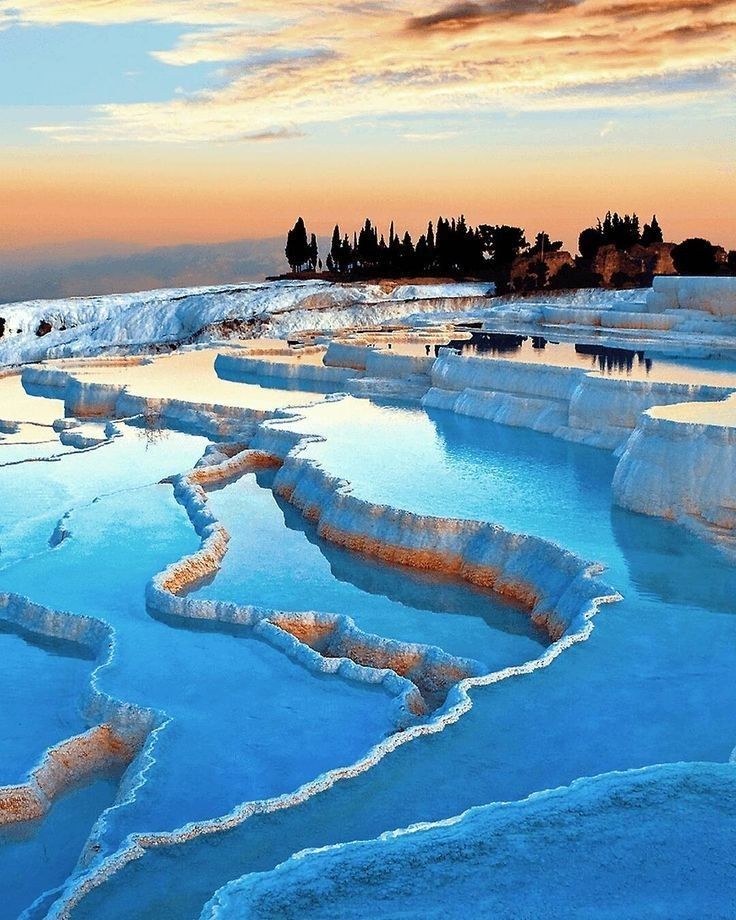
This mesmerizing geological phenomenon is the result of 17 natural hot springs bubbling up from deep underground. For millennia, these thermal waters—rich in dissolved calcium bicarbonate—have cascaded down a 200-meter-high (660-foot) cliffside. As the water cools and reacts with the air, it leaves behind thick, white deposits of a sedimentary rock called travertine. Over time, these mineral crusts built up to form a series of terraced shelves, natural infinity pools, and stalactites that resemble fluffy steps of cotton.
The Ancient Spa of Hierapolis
Pamukkale’s therapeutic, mineral-rich waters have drawn visitors since classical antiquity. In the 2nd century BCE, the Attalid kings of Pergamon established Hierapolis directly on top of the travertine mountain. This ancient Greco-Roman spa town flourished under Roman rule, becoming a massive center for healing. Today, the ruins of Hierapolis stand alongside the pools as a combined UNESCO World Heritage Site. Visitors can explore a remarkably preserved Roman theater, an extensive necropolis, and even swim in Cleopatra’s Pool (the Antique Pool), where ancient fluted marble columns lie submerged at the bottom of the warm, buoyant water.
Preservation and Tourism
Attracting over two million visitors annually, Pamukkale requires strict environmental protection to prevent the white terraces from browning or eroding. To preserve the delicate travertines, visitors are required to remove their shoes and walk entirely barefoot along designated pathways. Today, authorities carefully manage the water flow to different sections, ensuring this magnificent intersection of nature and ancient history continues to shimmer for generations to come.